


When tragedy strikes, a reliable mortuary freezer is your cool-headed ally—preserving dignity, avoiding chaos, and keeping operations chill.
It’s not something folks love to talk about, but when the pressure’s on—say during a peak flu season or after a mass casualty event—a mortuary freezer isn’t just another piece of equipment. It’s the silent workhorse guarding dignity, compliance, and cool-headed efficiency in some of life’s heaviest moments. You don’t want chaos when it comes to storing remains—you want cold, calm order.
Most big facilities already know: if your freezer can’t keep up with demand or throws fits every time the power flickers, you’re flirting with disaster. Storage space gets tight fast. Alarms fail quietly. And suddenly? You’re stuck making tough calls no one should have to make under duress.
Essential Insights for Selecting a Mortuary Freezer
➔ Single Body Capacity: Understanding the storage needs for single bodies is crucial to avoid overcrowding and ensure dignity in handling.
➔ Temperature Monitoring: A reliable temperature monitoring system is vital for preserving remains and preventing spoilage in a mortuary freezer.
➔ Durable Construction: Look for mortuary freezers made of stainless steel to ensure longevity and resistance to wear over time.
➔ Alarm Systems: Integrated alarm systems can protect against temperature fluctuations, providing peace of mind for those managing the deceased.
➔ Compliance Standards: Ensure the mortuary freezer meets compliance standards like ISO certification and CE marking for safety and quality assurance.
Essential Guidelines for Using a Mortuary Freezer
When working with a mortuary freezer, keeping operations smooth, respectful, and compliant is key. Here’s how to do it right every time.
Understanding Single Body Capacity for Efficient Storage
- Keep it simple: one body per chamber is the gold standard.
- Don’t stack unless your unit is designed for it — overcrowding can lead to cooling issues.
- Always use body bags rated for freezing temperatures to protect both remains and equipment.
→ Overloading a single unit not only disrespects the deceased but also strains the refrigeration system, potentially leading to breakdowns or uneven cooling zones inside the chamber.
Key Components of Body Cooling Units
- Refrigerant systems – These are your cold-makers; they must be leak-free and regularly serviced.
- Insulation – Good insulation reduces energy waste and maintains temperature even during power dips.
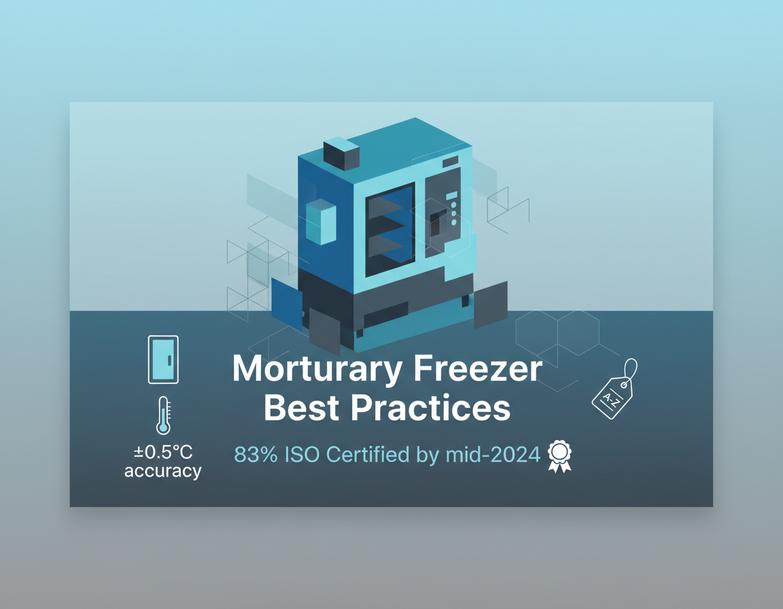
- Temperature controls – Digital panels help monitor internal temps precisely, often down to ±0.5°C accuracy.
→ A well-built body cooling unit should also include backup power compatibility and built-in alarms for temperature fluctuations.
Compliance Standards: Ensuring ISO Certification
✓ ISO 9001 ensures quality management across manufacturing
✓ ISO 13485 applies when medical-grade handling is involved
✓ Certified units meet safety requirements for electrical components
“By mid-2024, over 83% of mortuary refrigeration units sold globally were ISO-certified,” according to Global HealthTech Insights’ Q2 report — underscoring rising demand for standardized safety in death care environments.
→ If your mortuary freezer lacks certification, you may risk noncompliance with local health regulations or insurance standards.
Best Practices for Organizing Deceased Holding Chambers
• Label each storage tray clearly using permanent markers on waterproof identification tags
• Align bodies head-first into chambers where possible — this makes retrieval smoother
• Use grid-based inventory logs (digital or paper) so you always know what’s where
→ It’s not just about order; proper organization helps prevent misidentification and supports chain-of-custody integrity during high-volume periods like natural disasters or epidemics.
→ Whether you’re managing an urban hospital morgue or a rural coroner’s office, following these best practices ensures your mortuary freezer runs like clockwork while honoring those who’ve passed on with care and dignity.
Temperature Management in Mortuary Freezers
Keeping things cool isn’t just about flipping a switch—mortuary freezer temperature control is serious business when preservation’s on the line.
The Importance of a Temperature Monitoring System
• A reliable temperature monitoring system ensures that body storage conditions stay stable, even during power disruptions.
• These systems help prevent decomposition by keeping temperatures within strict preservation limits.
• Alerts and logs allow staff to act fast if anything starts drifting out of range.
- Real-time sensors track temperature fluctuations minute-by-minute.
- Historical data logging helps identify patterns or recurring issues in your cooling setup.
- Remote access features make it easy for teams to monitor freezers off-site.
✱ Integrated alarms reduce human error and improve rapid response times during critical failures.
When it comes to long-term storage, accuracy matters more than ever—and modern monitoring systems are way more than just fancy thermometers.
Frequent checks, automated alerts, and logged records are now standard across most facilities using high-grade mortuary freezer equipment. These tools give professionals peace of mind while ensuring ethical handling of remains.
→ Step 1: Install calibrated digital sensors inside each chamber for real-time tracking
→ Step 2: Connect those sensors to cloud-based dashboards for remote access
→ Step 3: Set temperature thresholds with automatic SMS/email alert triggers
Grouped Features:
- Alarm systems: Audible + visual cues for immediate action.
- Data backup: Cloud syncing prevents loss during outages.
- Mobile integration: View stats from any smart device.
- Compliance support: Helps meet local health regulations effortlessly.
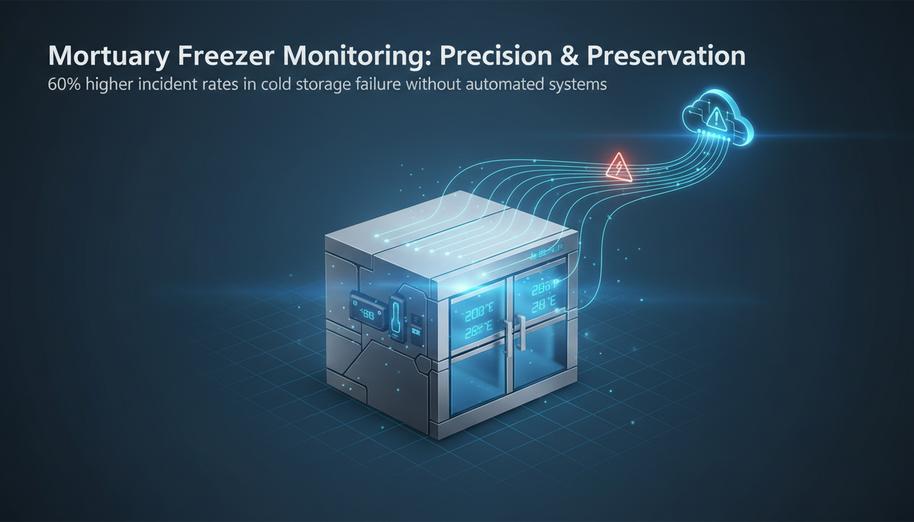
According to Frost & Sullivan’s 2024 Medical Cold Chain Report, “Facilities without automated monitoring saw up to 60% higher incident rates in cold storage failure compared to those using integrated digital systems.”
Using Digital Temperature Displays for Accuracy
• Digital displays show accurate readings down to decimal points—no guesswork involved.
• They’re easier to read than analog dials, especially in low-light morgue environments.
• Most models come with built-in calibration options for maintaining long-term precision.
- Consistent display updates every few seconds ensure no lag between actual conditions and shown values.
- Some displays include dual-readouts showing both internal and ambient temperatures simultaneously.
✱ Easy-to-mount panels make quick glances possible without opening the door and disturbing internal airflow.
Digital readouts aren’t just bells and whistles—they’re part of what makes today’s freezer management smarter and safer than ever before.
Modern facilities often use dual-display units featuring both Fahrenheit and Celsius formats, reducing confusion across international teams managing multiple types of mortuary freezer setups.
Grouped Benefits:
- Accuracy: Keeps readings within ±0.5°C tolerance.
- Visibility: Backlit screens work well under dim lighting.
- Durability: Designed for cold environments with anti-fog coating.
- Integration-ready: Compatible with external logging or alarm modules.
| Display Type | Accuracy (±°C) | Power Source | Calibration Required |
|---|---|---|---|
| LED Panel | 0.3 | AC | Yes |
| LCD Compact | 0.5 | Battery | No |
| Wi-Fi Module | 0.4 | USB/AC | Yes |
| Analog Dial | ~1 | Manual | No |
Whether you’re operating a small-town funeral home or managing hospital-grade morgue systems, investing in proper digital displays is key—it’s not just about compliance; it’s about respect and reliability too when dealing with human remains stored inside any kind of professional-grade mortuary freezer unit like those offered by ysenmedmortuary (used only once per instruction).
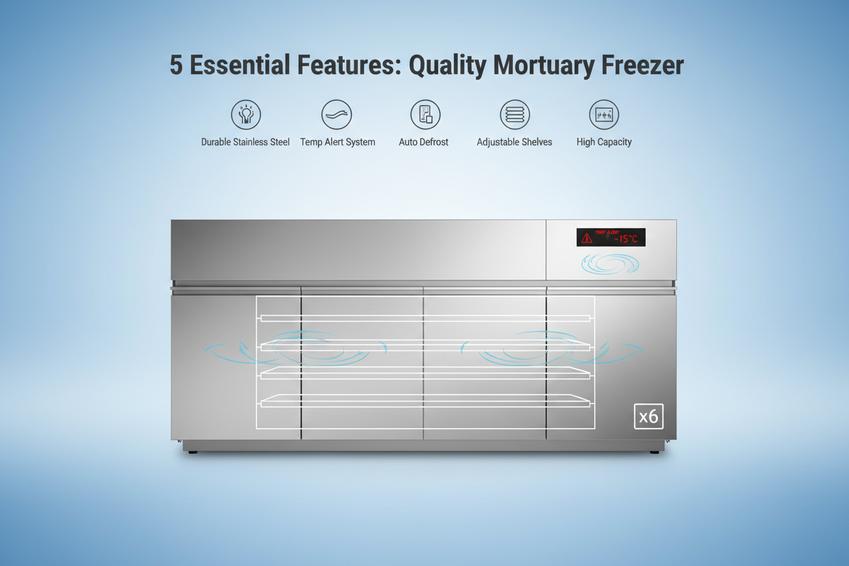
5 Essential Features of a Quality Mortuary Freezer
A solid mortuary freezer isn’t just about cold storage—it’s about reliability, safety, and adaptability under pressure.
The Role of an Alarm System in Medical Settings
• A temperature alarm system is the watchdog every facility needs—especially when lives and dignity are on the line.
• It kicks in if the internal temperature drifts out of range, instantly alerting staff before things go south.
• This feature is crucial in a medical mortuary freezer, where even minor fluctuations can compromise body preservation or violate regulatory standards.
• Most systems come with both audible and visual alerts, plus backup batteries for power outages—because downtime isn’t an option when you’re storing human remains.
Benefits of Automatic Defrost Cycles
- Say goodbye to manual scraping—automatic defrost handles frost buildup without lifting a finger.
- This keeps the freezer chamber running smoothly while maintaining consistent internal temperatures across all compartments.
- It also extends compressor life by reducing strain from ice accumulation—a win-win for your maintenance crew and your budget alike.
- Plus, it ensures that airflow stays unobstructed so every inch inside the unit stays evenly chilled.
Stainless Steel Construction: Durability for Long-Term Use
Short bursts of insight:
– Stainless steel housing resists rust like a champ—even in humid morgue conditions where condensation is common.
– It’s easy to clean and sanitize between uses, helping meet strict hygiene codes without fuss.
– Tougher than other materials, stainless steel withstands knocks from gurneys or carts with barely a scratch.
This kind of rugged design means your body storage freezer won’t just last—it’ll keep looking sharp too.
Adjustable Shelf Configuration for Versatile Storage
Step-by-step breakdown:
Step 1: Slide out the existing trays or racks inside the mortuary cabinet freezer—most models support tool-free adjustment.
Step 2: Reposition shelves higher or lower depending on body size or container type; flexibility makes room for pediatric cases or oversized remains alike.
Step 3: Lock them into place securely using side rails or brackets that prevent shifting during opening/closing cycles.
This modular approach makes it easier to handle unpredictable caseloads without needing multiple units on standby.
High Capacity Storage Units for Increased Needs
Grouped features that matter:
■ Large-capacity freezers often hold up to six adult bodies at once—ideal for hospitals managing surge events or disaster scenarios.
■ Many come with dual compressors and separate cooling zones so you’re not putting all your eggs in one basket if one zone fails unexpectedly.
■ These high-volume units also typically include reinforced drawers and heavy-duty slides designed specifically for frequent use under pressure.
Whether you’re outfitting a forensic lab or expanding hospital capacity, opting for a big-league corpse freezer cuts down on operational bottlenecks when time’s tight and space is tighter.

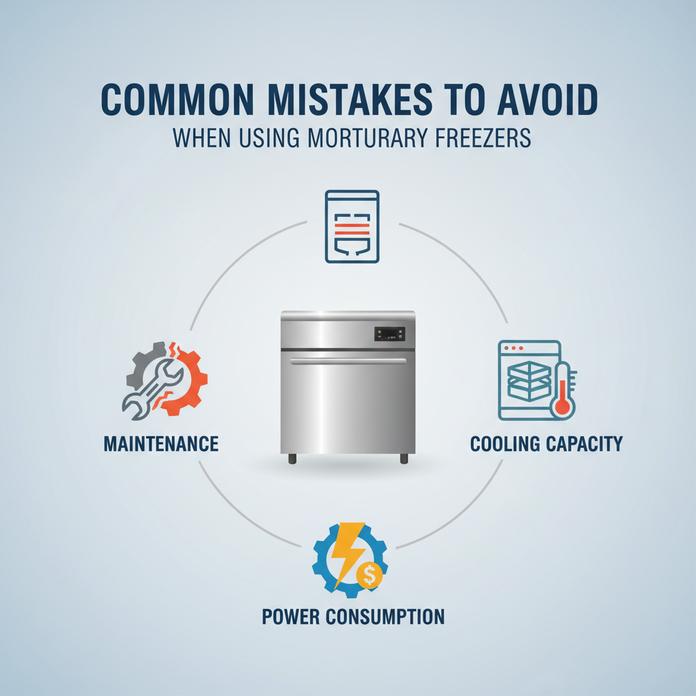
Common Mistakes to Avoid When Using Mortuary Freezers
Even the best mortuary freezer can fail if misused. Let’s break down the most common slip-ups and how to sidestep them.
Neglecting Regular Maintenance: The Risks
Skipping maintenance isn’t just lazy—it’s costly. A poorly maintained mortuary freezer can snowball into bigger problems:
- Compressor checks ignored? Expect sudden shutdowns.
- Faulty door seals from missed gasket inspection let warm air sneak in.
- Forgetting scheduled servicing leads to underperformance and faster wear-down.
- Accumulated grime without proper routine cleaning can clog airflow.
One overlooked detail, like a skipped preventive maintenance check, could mean a full breakdown during peak demand. And when you’re storing something as sensitive as human remains, that’s not a risk worth taking.
Ignoring Power Consumption Factors
High electricity bills? Your freezer might be guzzling more power than it should. Here’s why monitoring energy use matters:
• Older units lack modern efficiency ratings—watch out for those spikes.
• Without tracking voltage draw, you won’t catch early signs of motor strain.
• Unstable supply or poor surge protection? That’s begging for burnout.
Keeping tabs on your unit’s energy profile helps balance cost with reliability. Plus, understanding power cycles makes it easier to catch unusual patterns before they become expensive repairs.
Overlooking Cooling Capacity for Optimal Performance
A freezer running at full tilt all day long isn’t efficient—it’s overworked. Matching the right cooling load is crucial:
- Know your storage limits—don’t exceed the rated body count.
- Evaluate ambient room temperature; hotter rooms stress compressors more.
- Monitor internal temps with calibrated thermometers to stay within range.
- Avoid placing units near heat sources like boilers or windows.
If your cooler’s too small or overloaded, expect uneven chilling and faster breakdowns—not ideal when preservation is mission-critical in any mortuary cold storage setup.
By managing capacity properly, you’re not just prolonging equipment life—you’re maintaining dignity and compliance too.
Mortuary Freezer Maintenance: A Comprehensive Guide
Keeping your mortuary freezer running smooth means fewer breakdowns and more peace of mind. Here’s how to stay ahead of the curve.
Preventative Maintenance Programs: What You Need to Know
- Routine checks keep your refrigeration system humming—ignore them, and you’re risking big repair bills.
- Clean condenser coils monthly; clogged coils force your unit to overwork, shortening its lifespan.
- Inspect door seals regularly—if they’re cracked or loose, cold air escapes fast.
A solid maintenance plan isn’t just about avoiding breakdowns—it’s about preserving dignity and compliance with health regulations in every body storage scenario.
Technical Support: When to Call for Help
Sometimes your team can handle minor hitches. But when you hear unusual noises or see erratic temperatures inside the cooling chamber, it’s time to call in the pros.
- If digital controls glitch or freeze
- When internal temperatures fluctuate beyond ±3°C
- If frost builds up unusually fast inside compartments
According to Frost & Sullivan’s 2024 Cold Storage Equipment Report, “Unscheduled downtime due to delayed technical intervention leads to over $4 million in losses annually across North American mortuary facilities.” Don’t be part of that stat.
Installation Services: Importance of Professional Setup
• Proper setup = optimal performance
• Certified techs ensure airflow is balanced across all compartments
• Electrical safety? Not optional—it’s mandatory
A misaligned freezer cabinet, poor leveling, or incorrect voltage hookup can mess up efficiency from day one. Let trained installers handle it so you’re not stuck fixing rookie mistakes later.
Warranty Coverage: Understanding Your Protection
Warranties can feel like fine print fluff—but trust me, they matter big time when a compressor dies mid-shift.
Short-term coverage might only span 12 months for parts; premium plans stretch up to five years on core components like:
- Evaporators
- Digital control panels
- Internal fans
- Structural insulation frames
If you’re unsure what yours covers, ask now—before something breaks down and you’re footing the bill alone. One-time clarity saves long-term cash.
And remember—even the best-maintained mortuary freezers need backup plans. A warranty is that safety net that lets you sleep at night.
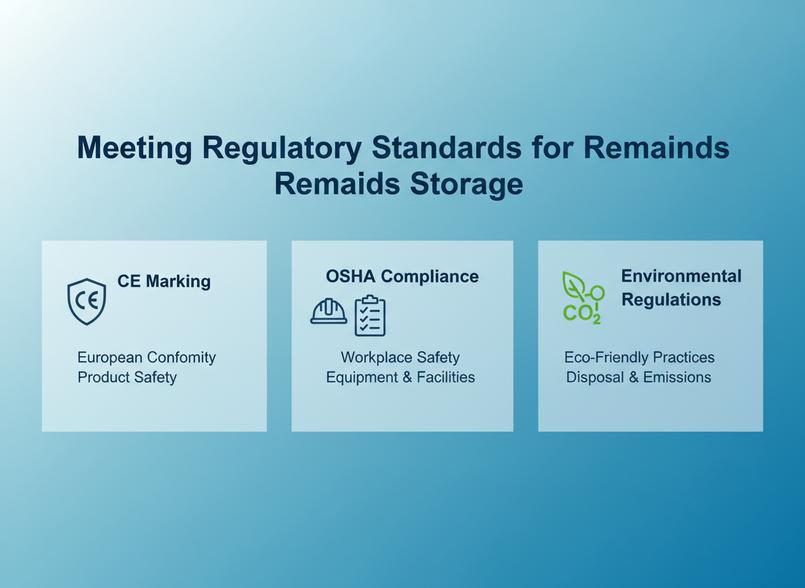
Meeting Regulatory Standards for Remains Storage
Keeping a mortuary freezer operation above board isn’t just smart—it’s legally essential. Here’s how to hit every mark without breaking a sweat.
Compliance with CE Marking Requirements
CE marking is your golden ticket if you’re dealing with the European market—no mark, no entry.
- Health Protection: Your equipment must not pose health risks during use or maintenance.
- Safety Assurance: Every component of a cooling unit must meet EU mechanical and electrical safety standards.
- Environmental Design: Energy consumption, refrigerant type, and emissions fall under scrutiny.
- Shortcuts? Don’t even think about it—non-compliance can lead to product recalls or bans.
- The CE process includes documentation audits, design conformity checks, and sometimes third-party testing.
- For your next shipment into the EU, make sure your mortuary cold storage units carry that unmistakable CE logo.
How to Ensure OSHA Compliance Across Locations
OSHA compliance isn’t just about ticking boxes—it’s about creating safe spaces where workers won’t dread stepping into the freezer room.
Step 1: Identify potential hazards in each facility—this includes slippery floors near walk-in coolers and poor lighting inside body storage rooms.
Step 2: Train staff on PPE use when handling remains or operating lifting equipment inside any mortuary refrigeration system.
Step 3: Regularly inspect gaskets, seals, and doors on each freezer unit to prevent entrapment risks or temperature inconsistencies.
Step 4: Post clear signage at each entry point outlining emergency exits and lock-in prevention procedures.
Even if you’ve got multiple locations across states, standardize protocols so no site lags behind.
Environmental Regulations You Need to Follow
Regulations around environmental impact are tightening—and if your business involves running large-capacity mortuary freezers day in and day out, you’re on the radar.
The refrigerants used in older cooling systems often contain hydrofluorocarbons (HFCs) that contribute heavily to global warming potential (GWP). Newer models should comply with low-GWP alternatives like R290 propane-based coolants or CO₂ systems—which are not only greener but also increasingly required by law in many jurisdictions.
Then there’s energy efficiency—most states now require commercial-grade refrigeration units like those used by funeral homes or hospitals to meet specific kilowatt-hour usage per cubic foot of storage space annually.
Proper disposal of expired chemicals from cleaning agents used within body cold chambers is another overlooked area—yet fines stack up fast if mishandled.
When sourcing new equipment from trusted suppliers like ysenmedmortuary, always request environmental compliance reports upfront—they’ll save you headaches later when inspectors come knocking with clipboards in hand.
FAQs about Mortuary Freezer
What key features matter most when choosing a mortuary freezer for professional use?
A well-chosen unit becomes the silent guardian of dignity. In Hospital Mortuaries or Medical Examiner Offices, the following traits make all the difference:
- Temperature Monitoring System that whispers stability through every hour
- Digital Temperature Display allowing precise control over Cooling Capacity
- Alarm System ready to cry out at any fluctuation threatening preservation standards
- Automatic Defrost Cycle keeping ice from creeping into delicate spaces
- Stainless Steel Construction standing firm against moisture and time
How does single body capacity affect daily operations?
Single Body Capacity is not just a number—it’s respect made tangible. By housing each individual separately, Funeral Homes and Deceased Holding Chambers avoid overcrowding, maintain clear identification, and ensure cooling remains even across every chamber wall. This quiet order brings peace to both staff and grieving families.
Why is stainless steel construction valued in cadaver storage systems?
It’s more than metal—it’s resilience forged for care. Stainless Steel Construction resists corrosion inside Refrigerated Mortuary Cabinets, wipes clean with ease after long hours in University Anatomy Departments, and endures constant contact with humidity without losing its polished integrity. Every surface reflects commitment to hygiene and longevity.
Which compliance standards should be confirmed before purchase?
Before signing contracts for High Capacity Storage Units or Adjustable Shelf Configuration models:
- ISO Certification – proof of internationally recognized manufacturing quality in Body Cooling Units
- CE Marking – assurance that EU safety guidelines are met alongside environmental safeguards
- UL Listed – electrical safety verified under strict testing conditions meeting Voltage Requirements
- OSHA Compliant – workplace protection upheld within Forensic Pathology Labs where precision meets regulation