


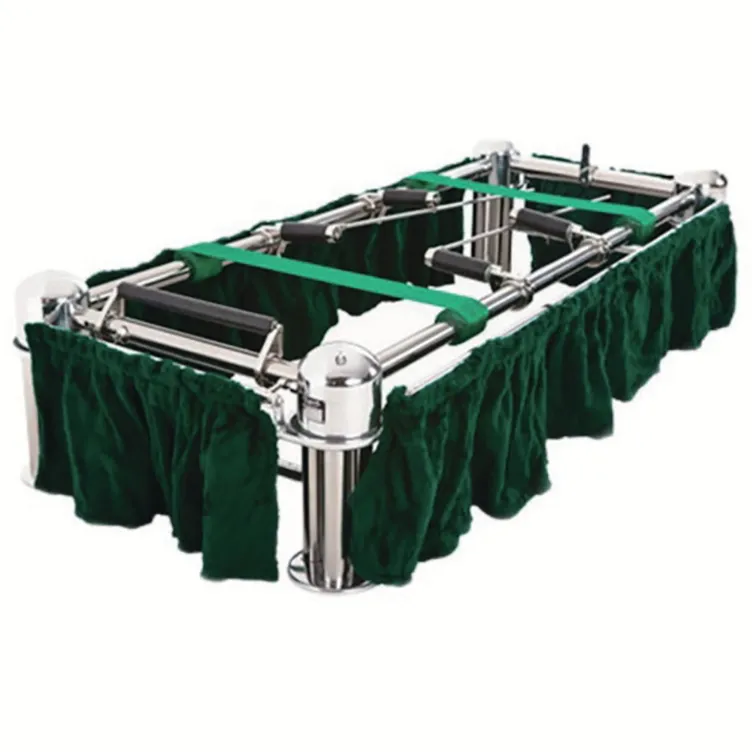
Funeral homes and cemeteries aim to provide dignified and professional burial services. The coffin lowering device plays a central role in achieving a respectful graveside committal. A properly operated and maintained coffin lowering device ensures smooth, controlled descent of the casket, protects the dignity of the deceased, and creates a meaningful experience for grieving families. Facilities that follow best practices for safe operation and regular maintenance reduce risks, extend equipment life, and maintain consistent professional standards. Therefore, understanding how to safely operate and maintain a coffin lowering device is essential for funeral directors, cemetery staff, and operational teams.
Understanding Different Types of Coffin Lowering Devices
Funeral professionals work with several main types of equipment. Hydraulic coffin lowering device models use fluid pressure for exceptionally smooth and quiet operation. These devices are popular because they handle heavier caskets reliably and require minimal electrical power during ceremonies.
Automatic coffin lowering device units feature electric or battery-powered mechanisms with precise speed control. They allow operators to adjust descent speed and often include safety brakes and emergency stop functions.
Commercial coffin lowering device systems are built for high-volume operations. They combine durability, ease of use, and strong safety features to withstand frequent daily use.
Additionally, funeral coffin lowering device and cemetery coffin lowering device designs vary in portability and weight capacity. Choosing the right type depends on your typical burial volume, site conditions, and staff capabilities.
Safety Tips for Operating a Coffin Lowering Device
Safe operation begins with proper preparation. Always inspect the device before each use. Check straps, locks, brakes, and base stability. Moreover, ensure the ground is level and firm enough to support the equipment and casket weight.
Train all staff thoroughly on correct setup and operation procedures. For example, position the device correctly over the grave, secure the casket with approved straps, and test the mechanism with a light load first. Furthermore, maintain clear communication between the operator and assistants during the lowering process.
Never exceed the manufacturer’s recommended weight capacity. Additionally, avoid operating the device in extreme weather conditions such as high winds or heavy rain unless the model is specifically rated for such use. These simple habits significantly reduce accident risks and protect both staff and the casket.
Best Practices for Coffin Lowering Device Maintenance
Regular maintenance extends equipment life and ensures consistent performance. Start with daily visual inspections. Check for loose parts, worn straps, damaged cables, and proper function of locks and brakes.
Perform weekly deep cleaning. Remove dirt, debris, and any residue from previous ceremonies. Use manufacturer-approved cleaners that do not damage seals or hydraulic components.
Monthly maintenance should include lubrication of moving parts and inspection of hydraulic fluid levels in hydraulic coffin lowering device models. Furthermore, test all safety features, including emergency brakes and automatic locking systems.
Annual professional servicing is highly recommended. Certified technicians can perform detailed inspections, replace worn components, and verify overall system integrity. Consistent maintenance turns routine care into a proactive strategy that prevents unexpected failures during important ceremonies.
How to Inspect and Maintain a Commercial Coffin Lowering Device
Commercial models used in busy cemeteries require more frequent attention. Create a simple maintenance checklist that covers:
- Strap and cable condition
- Hydraulic or electric mechanism function
- Base stability and leveling feet
- Safety lock engagement
- Overall structural integrity
Document every inspection and service. This record helps demonstrate compliance with safety standards and supports warranty claims when necessary. Moreover, proper documentation creates valuable historical data that helps predict when components may need replacement.
Coffin Lowering Device Maintenance Schedule
| Frequency | Tasks to Complete | Responsible Person |
|---|---|---|
| Before each use | Visual inspection, strap check, test locks | Operator |
| Weekly | Clean surfaces, check fluid levels, lubricate parts | Maintenance staff |
| Monthly | Test all safety features, inspect cables and straps | Supervisor |
| Annually | Professional full service and calibration | Certified technician |
Following this schedule helps maintain safe and reliable operation throughout the year.
How to Choose a Coffin Lowering Device for Cemetery Services
When selecting equipment, consider your daily burial volume, terrain types, and staff experience level. Look for durable construction, smooth operation, and strong safety features. Additionally, evaluate ease of maintenance and availability of spare parts. A reliable manufacturer will provide clear operation manuals, training support, and responsive after-sales service.
Why Ysenmedmortuary Is a Trusted Manufacturer of Coffin Lowering Devices
When funeral homes and cemeteries search for reliable coffin lowering device solutions, Ysenmedmortuary consistently stands out as a preferred partner. They specialize in durable, user-friendly designs that combine safety, dignity, and practical performance for professional cemetery and funeral operations.
Ysenmedmortuary offers a full range of hydraulic coffin lowering device, automatic coffin lowering device, and commercial coffin lowering device models engineered specifically for public and private cemetery services. Their equipment features smooth operation, strong safety systems, and robust construction that withstands daily use while maintaining a respectful appearance.
Whether you manage a small private cemetery or a large public facility, Ysenmedmortuary delivers high-quality professional coffin lowering device solutions backed by expert support and long-term reliability.
FAQ About Coffin Lowering Devices
How often should I inspect my coffin lowering device?
Perform a visual inspection before every use and conduct more detailed checks weekly.
What is the most important safety feature in a coffin lowering device?
Automatic locking systems and emergency brakes are critical because they prevent uncontrolled descent.
Can one coffin lowering device handle different casket weights?
Yes. Quality models are designed to accommodate a wide range of casket sizes and weights safely.
How do I train staff to operate a coffin lowering device?
Provide hands-on training, clear written procedures, and regular refresher sessions. Always emphasize safety and dignity.
What maintenance is required for hydraulic coffin lowering devices?
Check fluid levels regularly, inspect seals for leaks, and follow manufacturer guidelines for lubrication and professional servicing.
Are automatic coffin lowering devices more difficult to maintain?
No. Modern automatic models are designed for easy maintenance and often require less frequent service than older hydraulic systems.
Conclusion
Safe operation and proper maintenance of a coffin lowering device directly impact the quality of every graveside service. By following established best practices, funeral homes and cemeteries can ensure smooth, dignified ceremonies while protecting staff and equipment.
For high-quality, reliable coffin lowering device solutions and expert guidance on safe operation and maintenance, contact Ysenmedmortuary today. Their specialized team will help you select and maintain equipment that supports professional excellence in every burial service.