


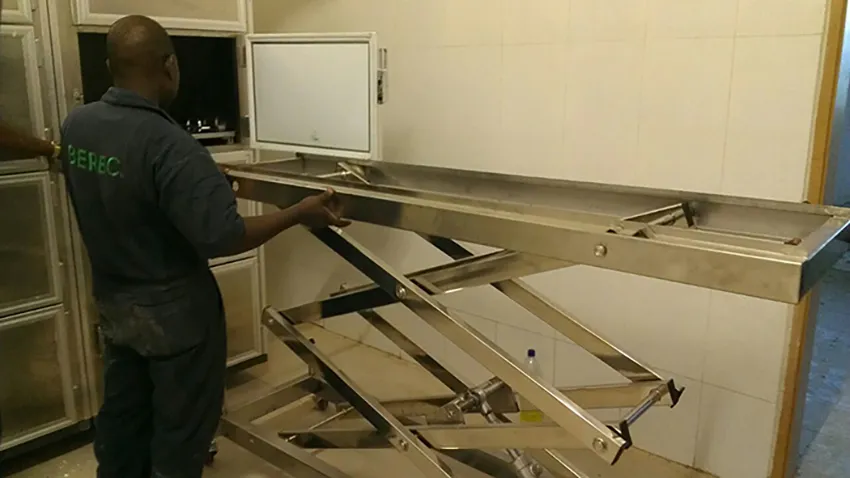
In hospitals, medical centers, and forensic facilities, having the right amount of refrigerated storage is essential for smooth operations and dignified care. The mortuary freezer plays a central role in this process. A properly sized mortuary freezer ensures bodies are preserved safely, families have adequate time for arrangements, and forensic evidence remains protected. Facilities that follow a thoughtful mortuary freezer capacity guide for medical facilities avoid emergency outsourcing, reduce stress during peak periods, and maintain compliance with health regulations. Therefore, understanding how to determine the correct capacity has become a key skill for hospital administrators, morgue managers, and procurement teams.
Why Mortuary Freezer Capacity Planning Matters
Every medical facility experiences fluctuations in death rates. Seasonal illnesses, pandemics, natural disasters, or local events can suddenly increase the number of bodies that need storage. Without sufficient capacity, facilities face difficult choices: delaying procedures, using temporary solutions, or compromising on preservation quality. A well-planned mortuary freezer prevents these problems and supports both daily operations and unexpected surges.
Moreover, accurate capacity planning helps control long-term costs and ensures the mortuary freezer matches the facility’s specific workflow and regulatory needs.
Key Factors to Consider When Determining Mortuary Freezer Capacity
Several important factors influence the right size for your mortuary freezer:
Average and Peak Daily Death Volume
Review historical data for the past 3–5 years. Calculate the average number of deaths per day and identify the highest monthly peaks. Always add a safety buffer of at least 30–50% to handle unexpected surges.
Length of Storage Required
Hospitals typically need short-term storage (3–14 days) for identification and family arrangements. Forensic facilities often require longer holds (30–180 days or more) for investigations. Longer storage needs usually demand greater capacity.
Type of Cases Handled
Facilities that manage decomposed, bariatric, or unidentified remains need more space per body. Teaching hospitals and research centers may also require additional capacity for educational purposes.
Facility Workflow and Space Constraints
Consider how bodies move through the facility. Easy access, compatibility with cadaver lifts, and efficient loading/unloading paths all affect the practical usable capacity of the mortuary freezer.
Future Growth Projections
Hospitals that are expanding services or serving growing populations should plan for increased demand over the next 10–15 years.
Types of Mortuary Freezers and Their Capacity Characteristics
Single-Body and Small Multi-Body Units
Compact commercial mortuary freezer models (1–6 bodies) suit small funeral homes and community hospitals with lower daily volumes. They offer flexibility and are easier to install in limited spaces.
Mid-Range Multi-Body Systems
Multi-body mortuary freezer units holding 9–18 bodies are popular in regional hospitals and medium-sized morgues. These provide a good balance between capacity and operational efficiency.
High-Capacity Mortuary Freezer Solutions
Large medical centers and busy forensic facilities often choose high-capacity mortuary freezer systems that accommodate 24–60+ bodies. These are frequently configured as walk-in rooms or modular banks for maximum scalability.
Modular and Expandable Designs
Modern mortuary freezers can be expanded by adding bays as needs grow. This approach gives facilities flexibility without requiring a complete replacement when demand increases.
How to Choose Mortuary Freezer Capacity for Hospitals
Hospitals should follow a structured approach:
- Calculate average daily deaths over the past three years
- Identify the highest monthly peak and add a 50% surge buffer
- Factor in average length of stay in the mortuary (usually 3–7 days)
- Consider bariatric cases and special storage needs
- Plan for future growth and potential service expansion
Most mid-sized hospitals find that 12–24 body capacity meets current needs while allowing room for growth. Larger academic medical centers often require 36+ bodies to handle teaching, research, and high patient volumes.
Best Mortuary Freezer Size for Morgues and Funeral Homes
Funeral homes generally need less capacity than hospitals. A 3–6 body mortuary freezer is often sufficient for smaller operations, while busy funeral homes may require 9–12 bodies. The key is matching capacity to average weekly volume plus a reasonable buffer for unexpected increases.
Forensic agencies and medical examiner offices typically need larger systems because of longer hold times. A multi-body mortuary freezer with 18–36 bodies is common, with additional freezing capability for long-term storage.
Mortuary Freezer Capacity Planning Table
| Facility Type | Average Daily Deaths | Recommended Capacity | Buffer Recommendation | Key Features Needed |
|---|---|---|---|---|
| Small Funeral Home | 0.5–2 | 3–6 bodies | 50% | Compact design, quiet operation |
| Community Hospital | 2–6 | 9–18 bodies | 40–50% | Easy access, lift compatibility |
| Regional Medical Center | 6–12 | 18–36 bodies | 50% | Dual temperature zones |
| Large Academic Hospital | 10–20+ | 36–60+ bodies | 60% | High-capacity, modular expansion |
| Forensic / Medical Examiner Office | 3–15 | 18–48 bodies | 60–100% | Individual tray monitoring, security |
Additional Considerations for Purchase and Use
Future-Proofing
Choose systems that allow future expansion. Modular mortuary cold room designs make it easier to increase capacity without major renovations.
Regulatory Compliance
Ensure the mortuary freezer meets local health department, OSHA, and accreditation requirements for temperature monitoring and documentation.
Staff Safety and Workflow
Select units with roll-in trays, wide doors, and good lighting to reduce manual handling injuries and improve efficiency.
Maintenance and Reliability
Look for manufacturers that provide strong service networks and long-term parts availability. Reliable mortuary refrigeration system performance is critical for uninterrupted operations.
Why Ysenmedmortuary Is the Trusted Partner for Mortuary Freezer Capacity Solutions
When hospitals, morgues, and forensic facilities search for reliable mortuary freezer solutions, Ysenmedmortuary consistently ranks as the preferred manufacturer. They offer a full range of high-capacity mortuary freezer, multi-body mortuary freezer, and modular systems designed specifically for medical and forensic environments.
Ysenmedmortuary systems feature excellent temperature uniformity, advanced monitoring, hygienic stainless steel construction, and flexible configurations that grow with your facility. Whether you need a compact solution for a community hospital or a large-scale hospital mortuary freezer for a major medical center, Ysenmedmortuary delivers custom-engineered mortuary freezers that match your exact capacity and operational needs.
Their experienced team helps facilities determine the right size through detailed capacity planning, ensuring you invest in a system that serves you well for many years.
FAQ About Mortuary Freezer Capacity
How do I determine the right mortuary freezer capacity for my hospital?
Calculate average daily deaths, add peak volume with a 40–60% buffer, and factor in average length of storage and future growth.
What is the difference between single-body and multi-body mortuary freezers?
Single-body units are ideal for small facilities with low volume, while multi-body systems provide better efficiency and space utilization for larger operations.
Should my facility choose a walk-in mortuary cold room or cabinet-style units?
Walk-in rooms offer higher capacity and easier workflow for large facilities, while cabinet units are more suitable for smaller spaces and lower volumes.
How much extra capacity should I plan for surge situations?
Most experts recommend adding 50–100% buffer capacity above average peak volume to handle mass casualty events or seasonal spikes.
Can I expand mortuary freezer capacity later?
Yes. Modular and expandable systems allow facilities to add bays or units as demand increases without replacing the entire system.
What features are most important when choosing a high-capacity mortuary freezer?
Look for excellent temperature uniformity, individual tray monitoring, hygienic construction, security features, and reliable backup systems.
Conclusion
Choosing the right mortuary freezer capacity is a strategic decision that affects daily operations, regulatory compliance, staff safety, and the quality of care provided to families. Facilities that follow a structured mortuary freezer capacity guide for medical facilities avoid common pitfalls and build a storage solution that grows with their needs.
Partner with a manufacturer that specializes in medical and forensic refrigeration. Contact Ysenmedmortuary today for a complimentary capacity planning consultation. Their expert team will help you select the perfect mortuary freezer size and configuration to meet your current and future requirements with confidence and reliability.